
Technology
Cutting-edge Technology
Where GAC’s engineering goes next, on the ground and in the air.
Technology
Where GAC’s engineering goes next, on the ground and in the air.
GAC’s research reaches beyond the passenger car. Three programmes are running at once: a flying car, a family of intelligent commercial vehicles, and a humanoid robot.
Aviation
Commercial vehicles
Robotics
Aviation
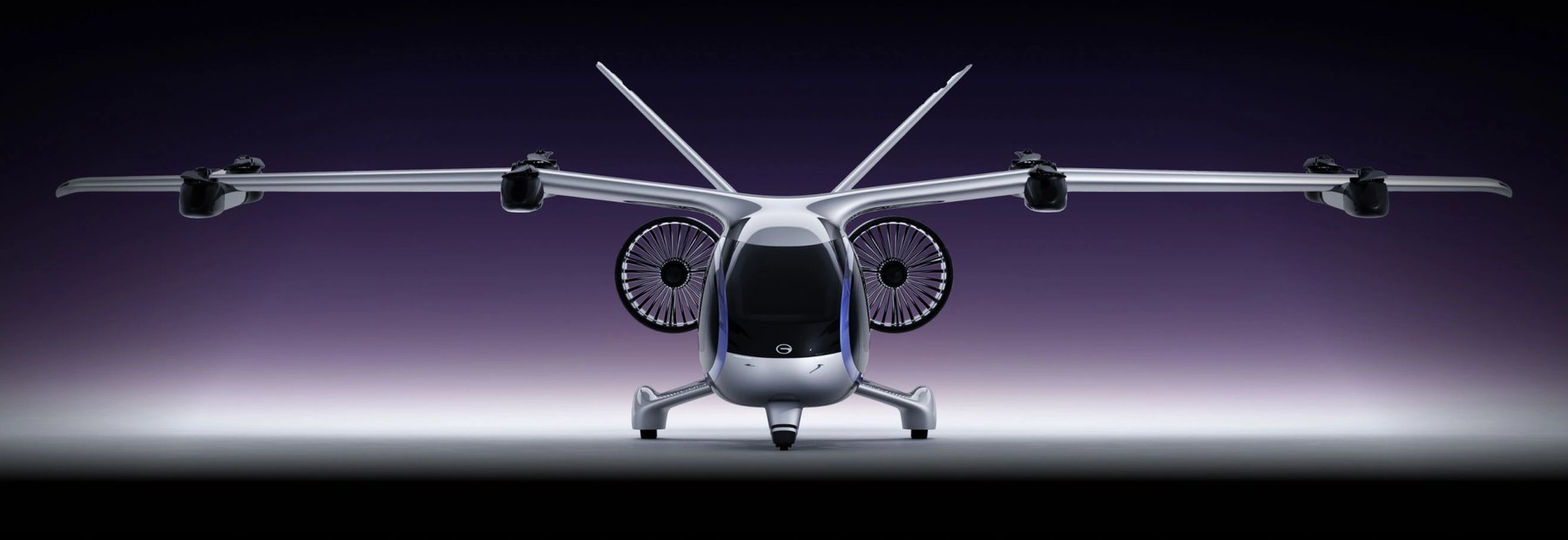
The first composite-wing flying car. GOVY AirJet combines the advantages of fixed-wing and multi-rotor aircraft, keeping vertical take-off and landing with no runway needed while flying efficiently in cruise. The cabin brings the comfort of high-end business class to an electric aircraft.
Commercial vehicles
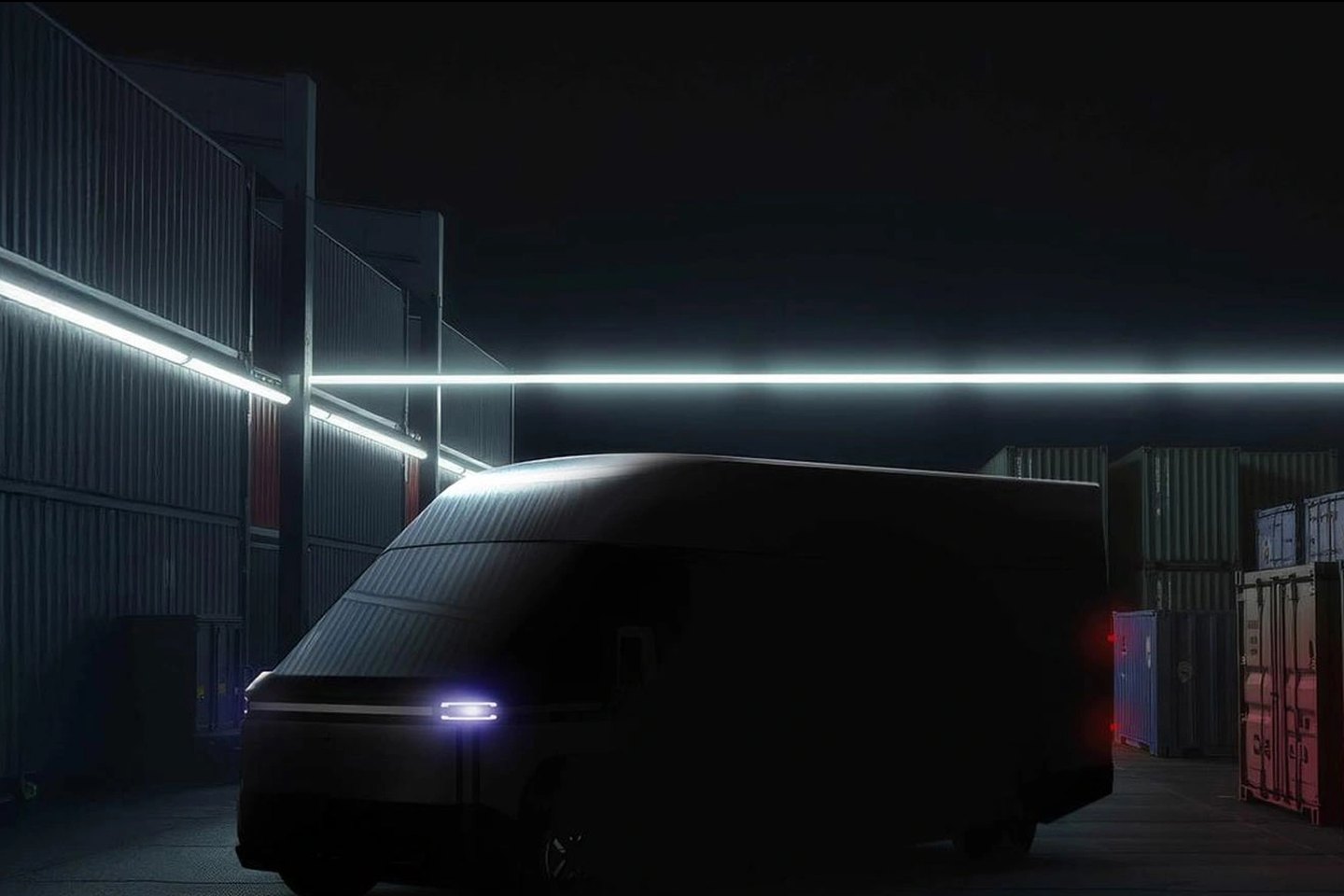
Built on space configuration, scenario-based customisation and intelligent IoT device support, connected straight through to the manufacturing line. Customers configure their own business service space within a clear price range, for a better total cost of ownership.
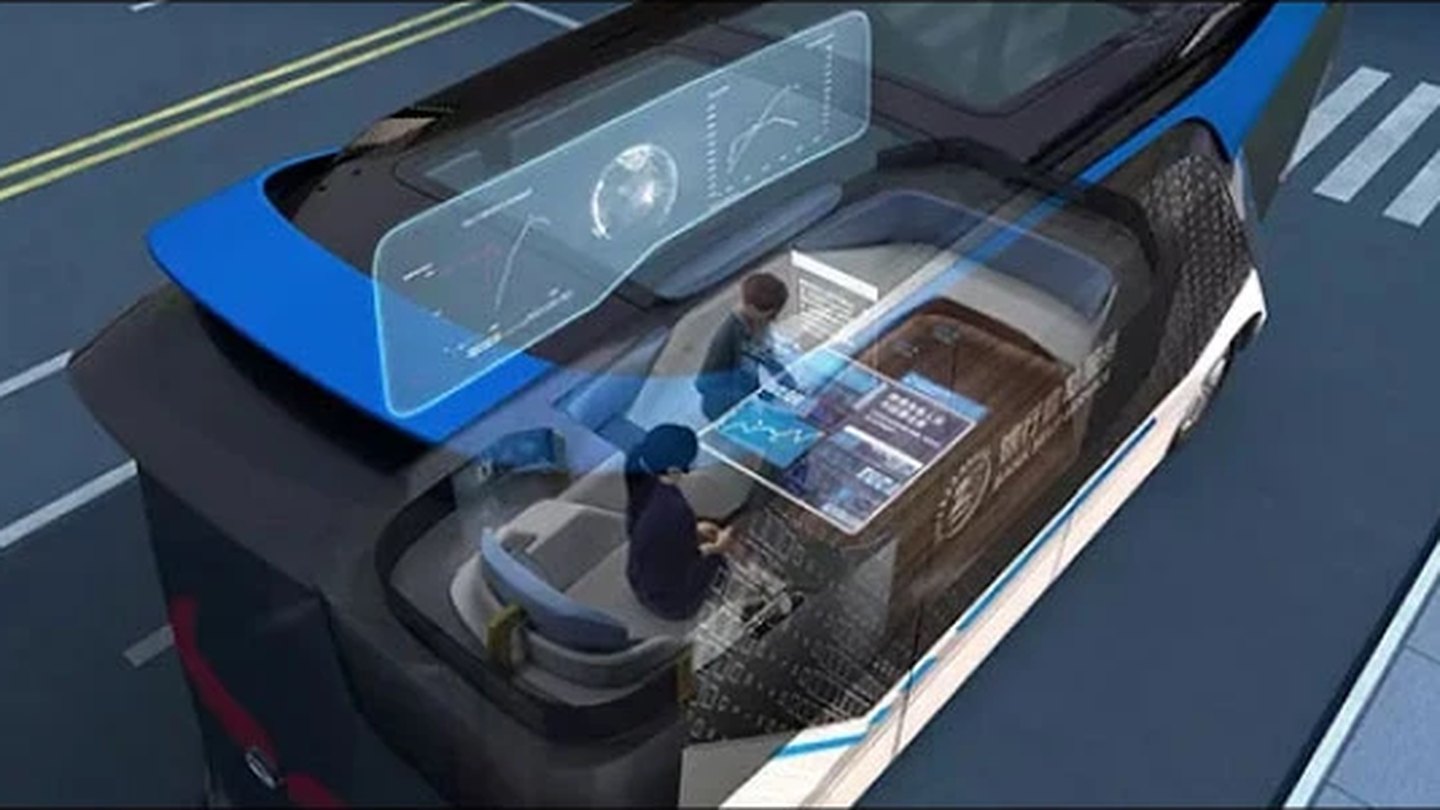
A vehicle edge computing gateway combined with the MCloud IoT platform, providing nearby device networking and control so scenario-based vehicle IoT devices connect and are managed efficiently.
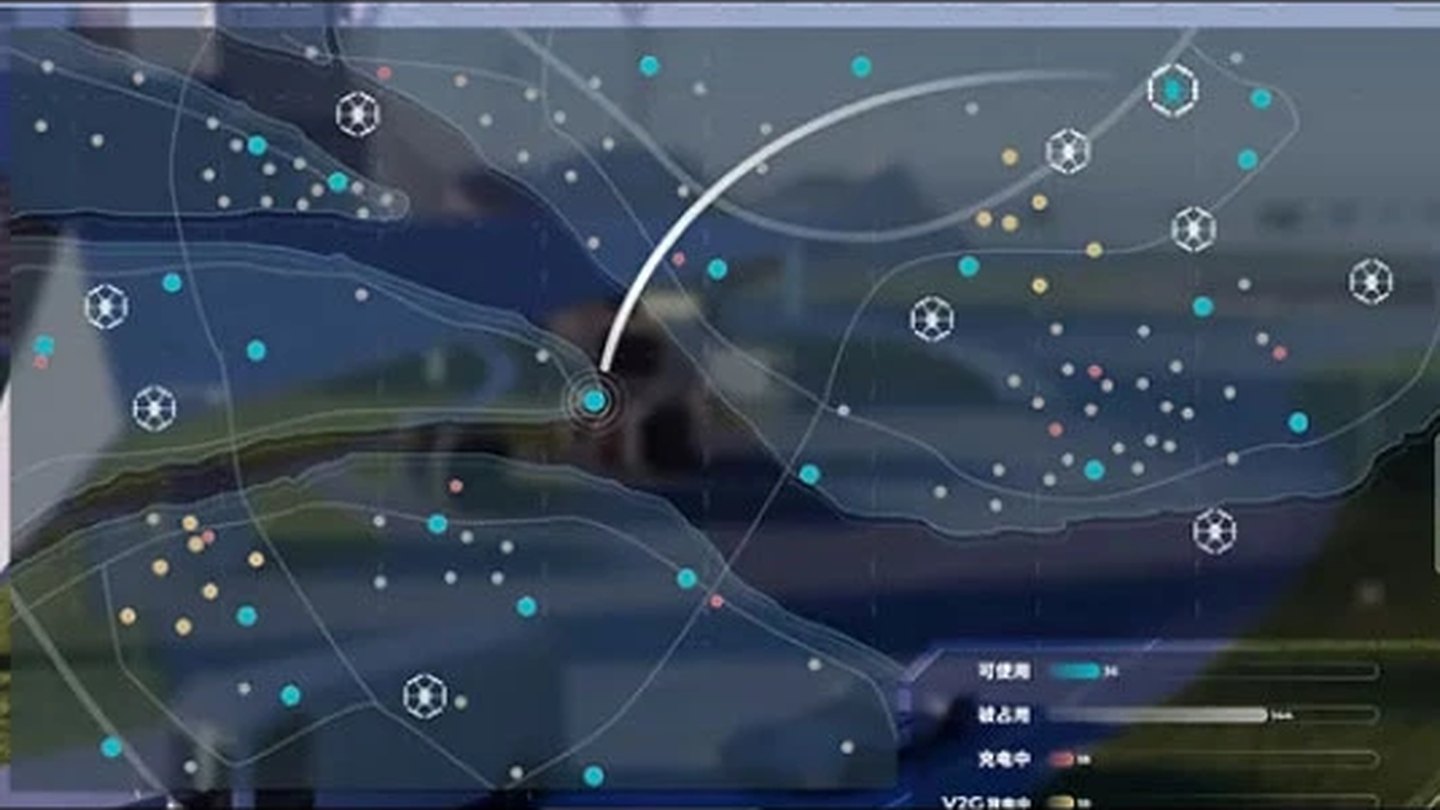
Space customisation, intelligent manufacturing, digital marketing and smart vehicle networking in one place: a full-lifecycle, end-to-end digital solution for intelligent commercial vehicles.
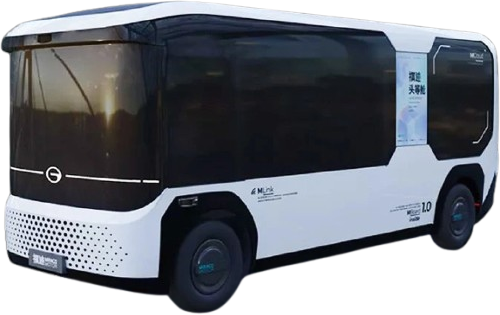
Ride-hailing, micro-circulation, comfort-oriented
20% lower energy use
17 kWh per 100 km, integrated heat pump
Safe driving control
Sedan-level braking stability (ESC)
Ultra quiet
Good vibration reduction, low noise
Full flat floor
Fully through-connected, low at the rear
Compact and agile
Slimmed down, high cabin efficiency
OTA
Updated over the air
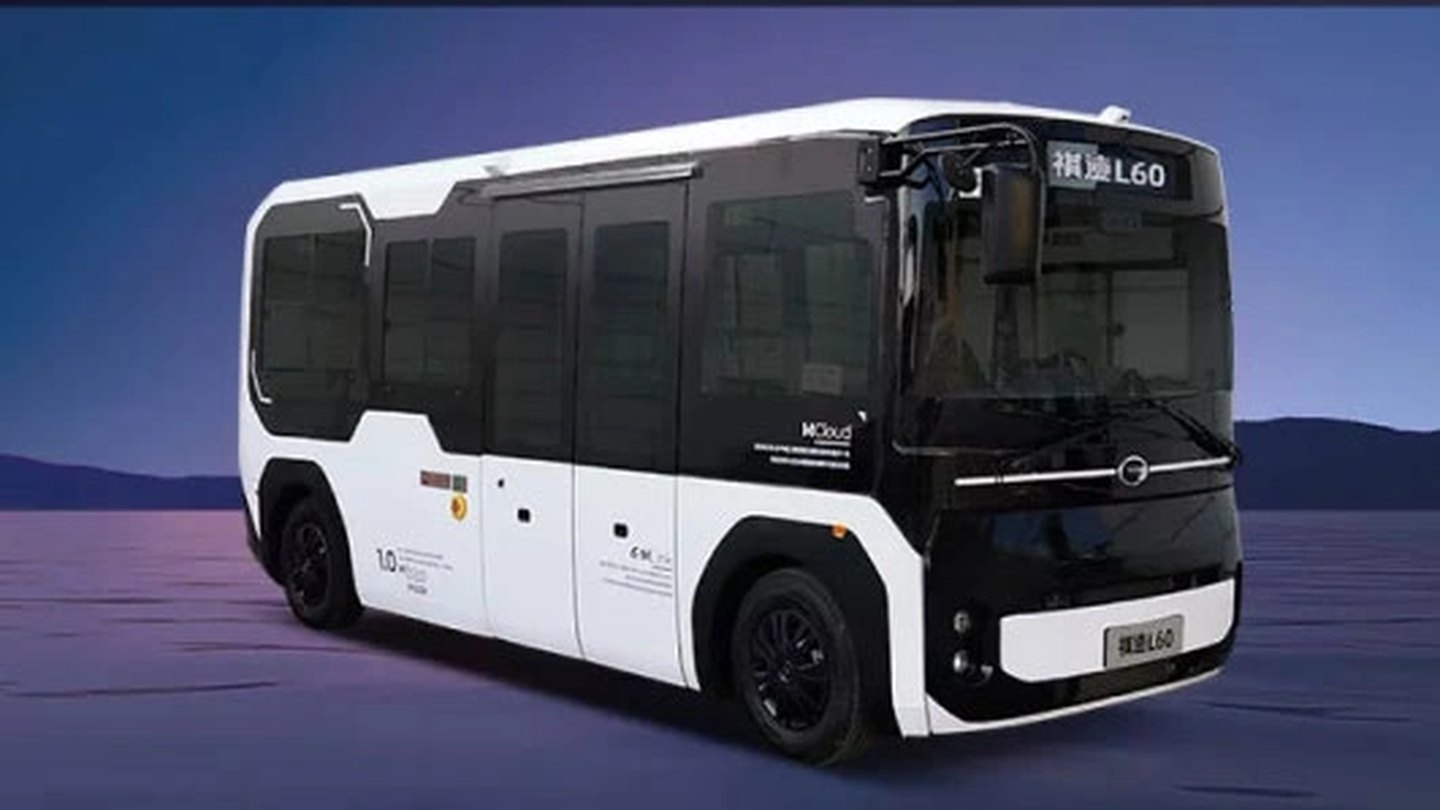
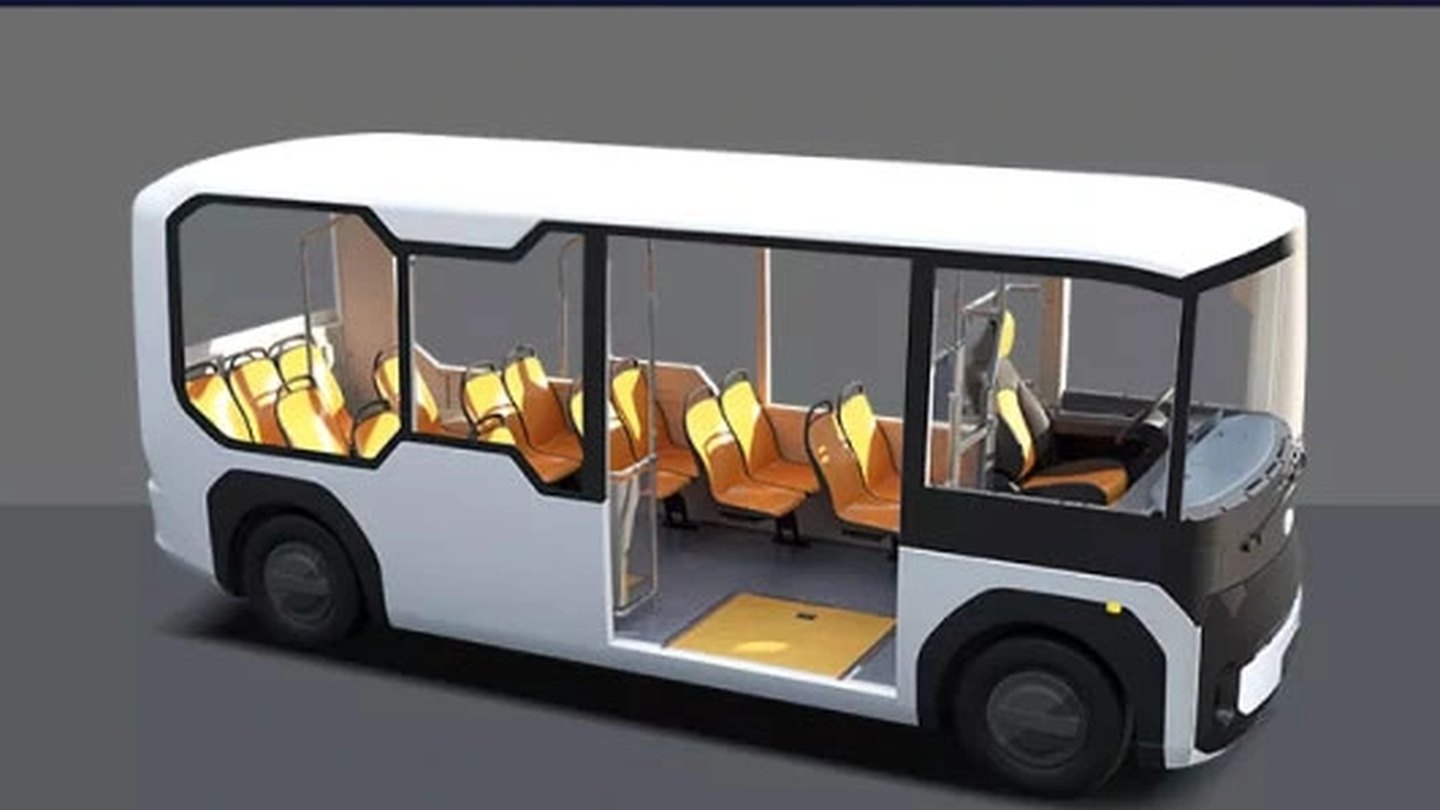
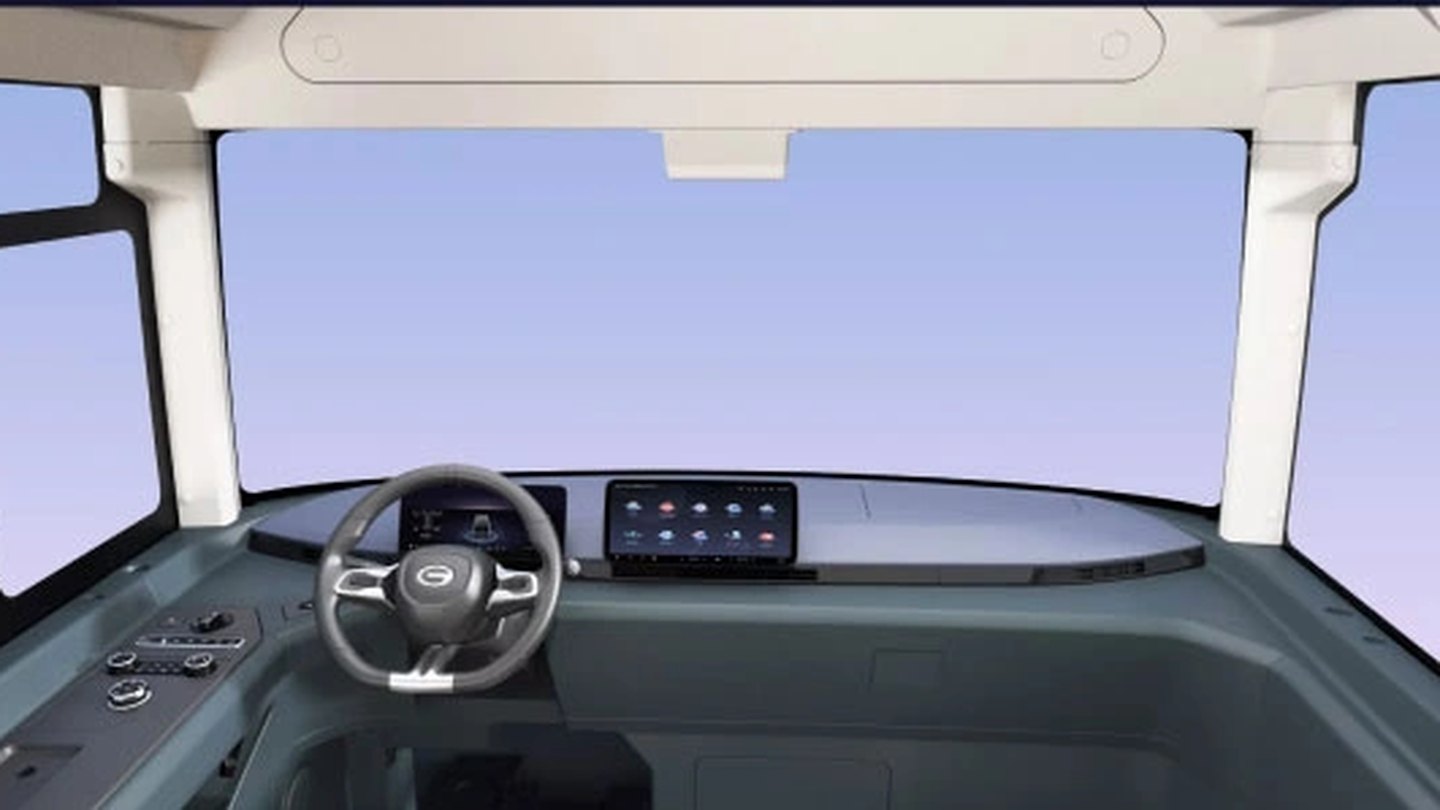
Leading robobus to scalable application.
Same price as normal
Steer-by-wire equality
Driving control safety
High precision, fast response
15+1 seats
Large flat floor, low floor
Human-vehicle interaction
Dynamic response
Open intelligent driving
Standardised steer-by-wire interface
Comfortable and smooth
Good vibration reduction, low noise
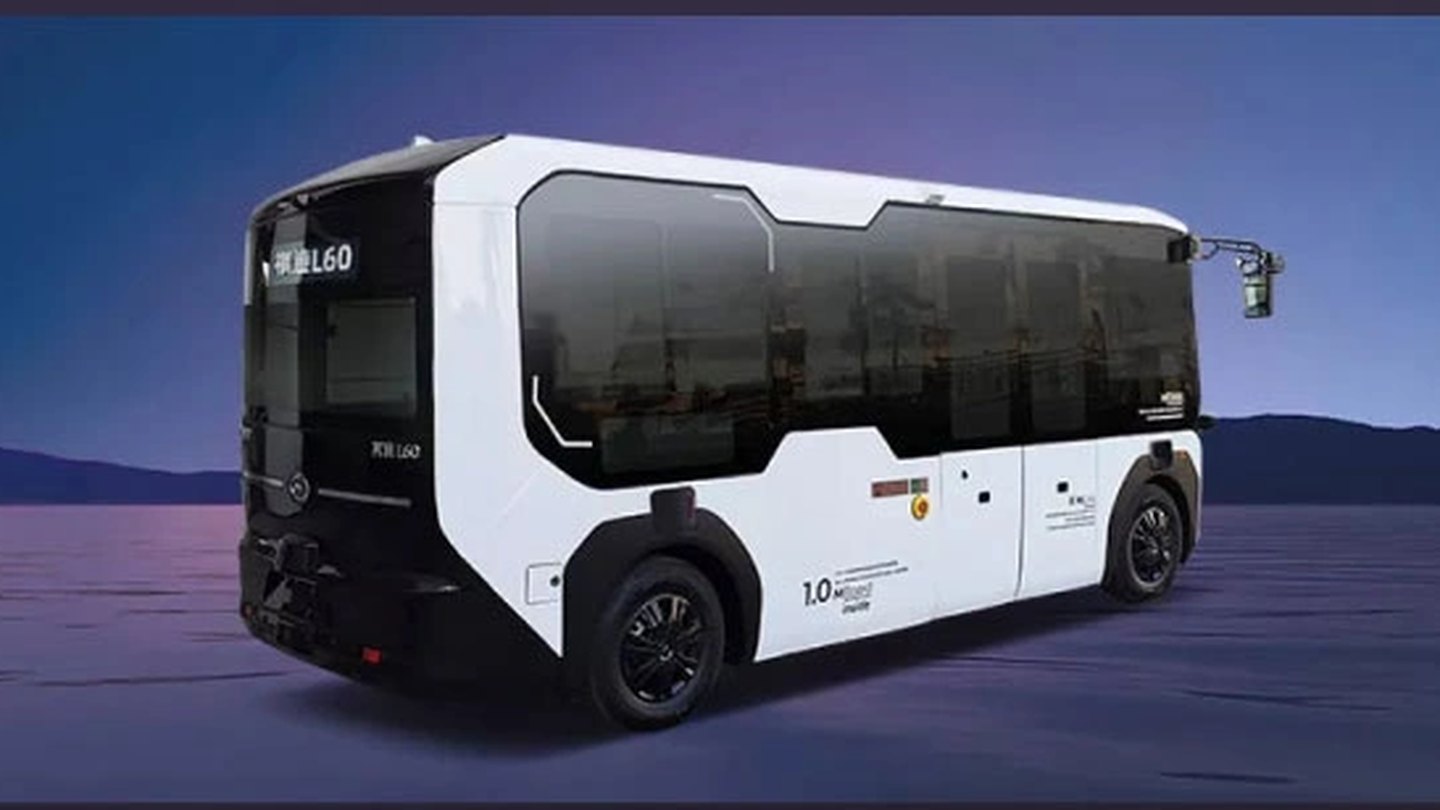
2026 Q1
Robotics
GAC’s third-generation embodied intelligent humanoid robot. A full-size wheeled humanoid, GoMate uses a variable wheeled structure that integrates four-wheel and two-wheel modes, with precise motion control, accurate navigation and positioning, and autonomous decision-making.
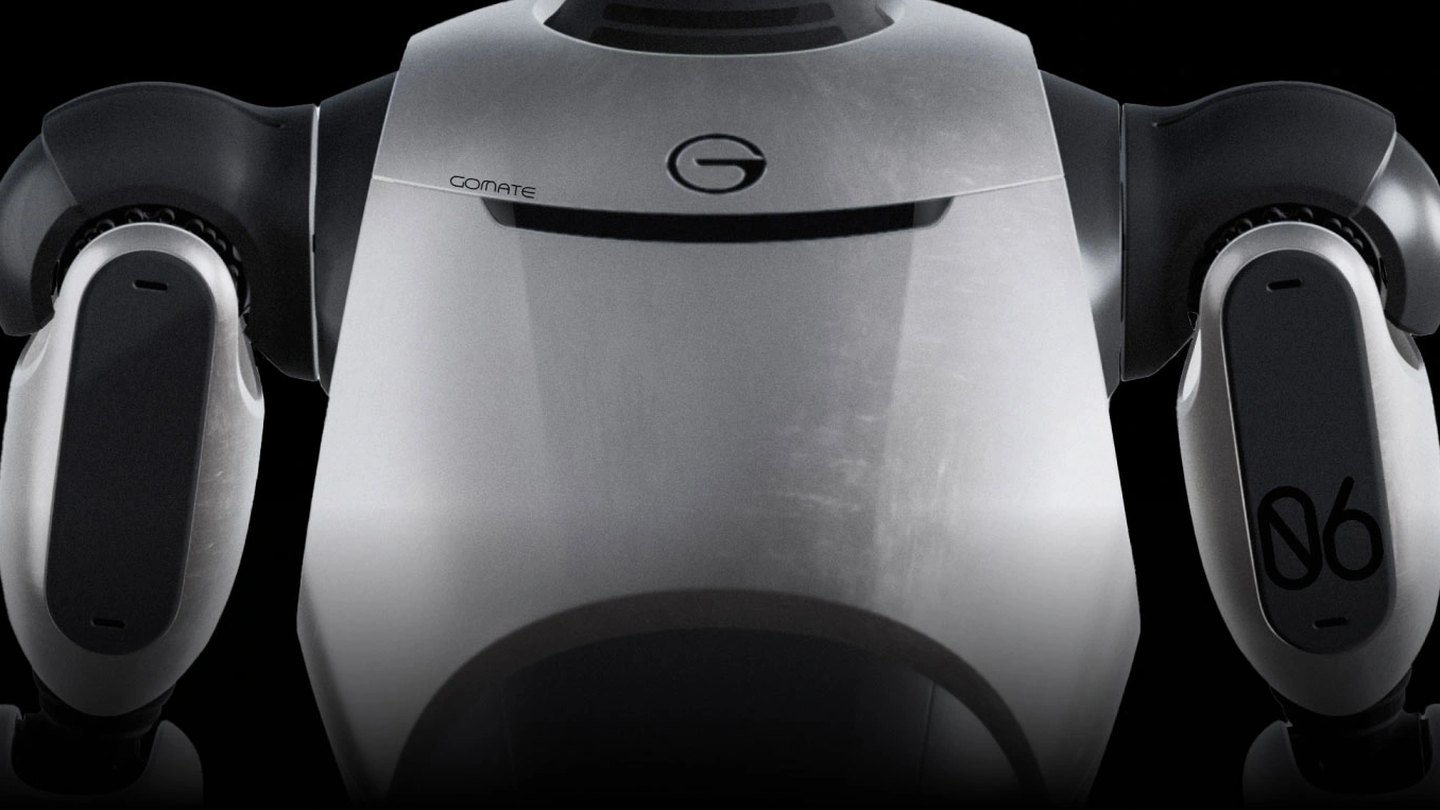
The body has 38 degrees of freedom and uses the industry’s first variable wheel-foot structure, combining four-wheel-foot and two-wheel-foot modes.
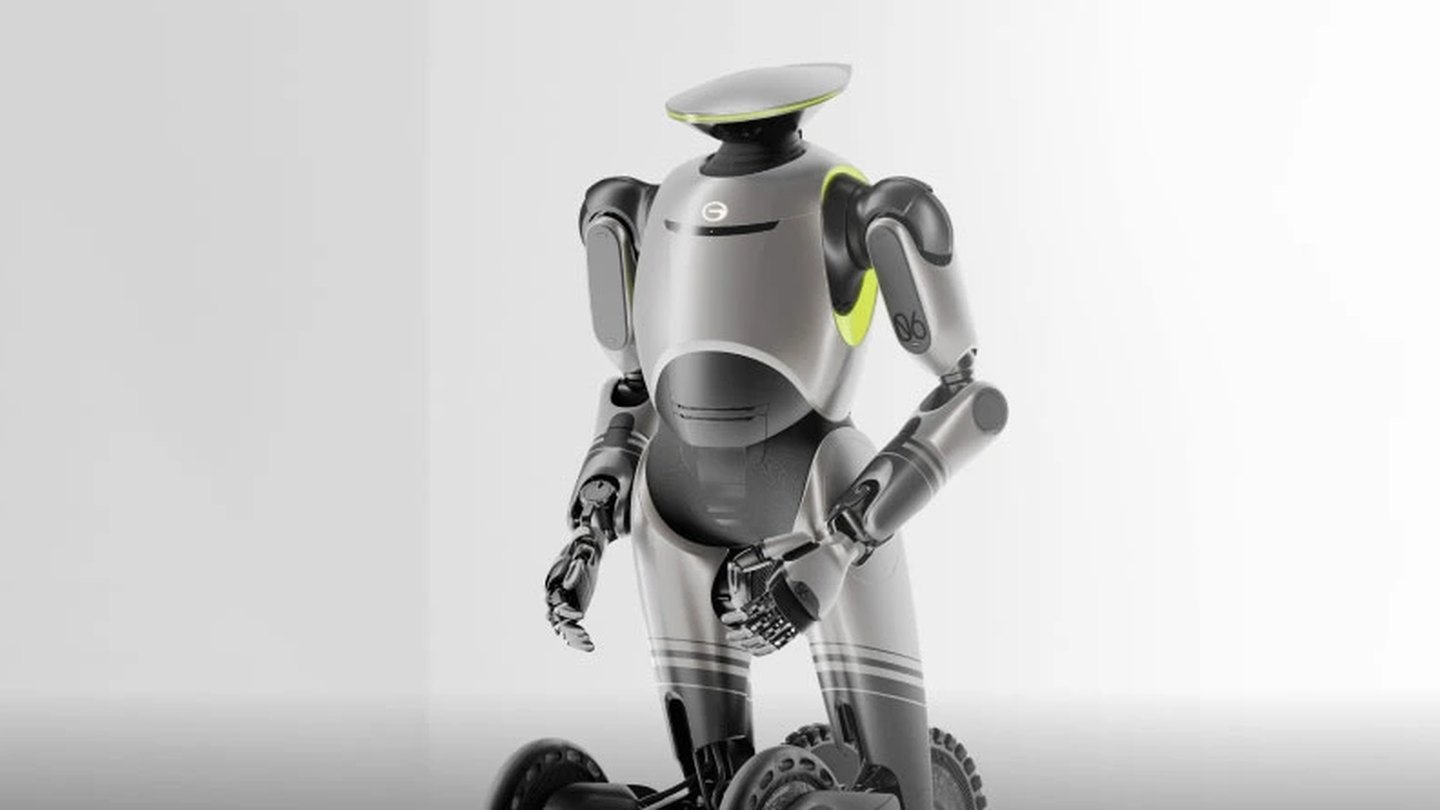
In four-wheel mode the robot steadily climbs and descends stairs, takes slopes, and clears obstacles on one side.
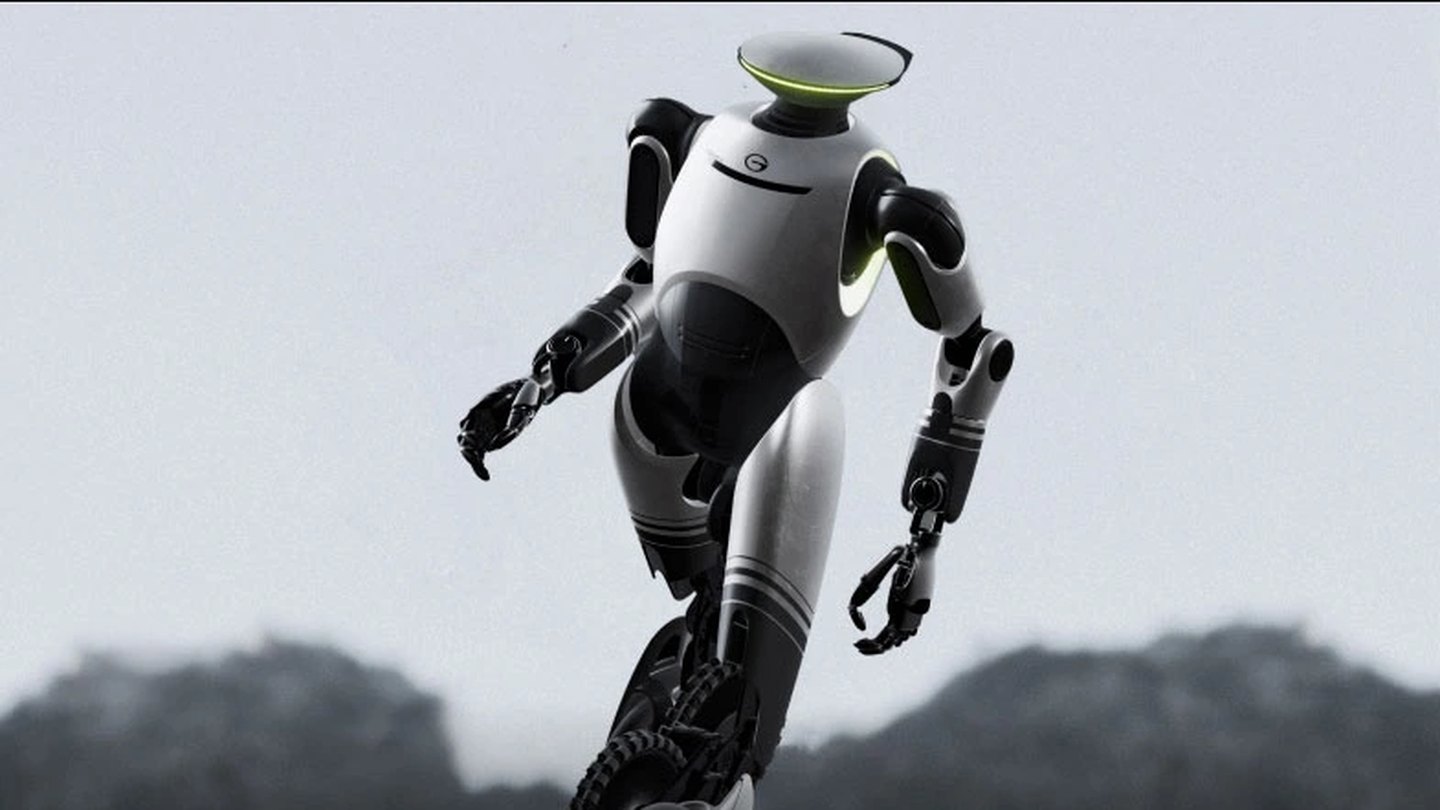
In two-wheel mode it moves flexibly and efficiently, and takes up less space.
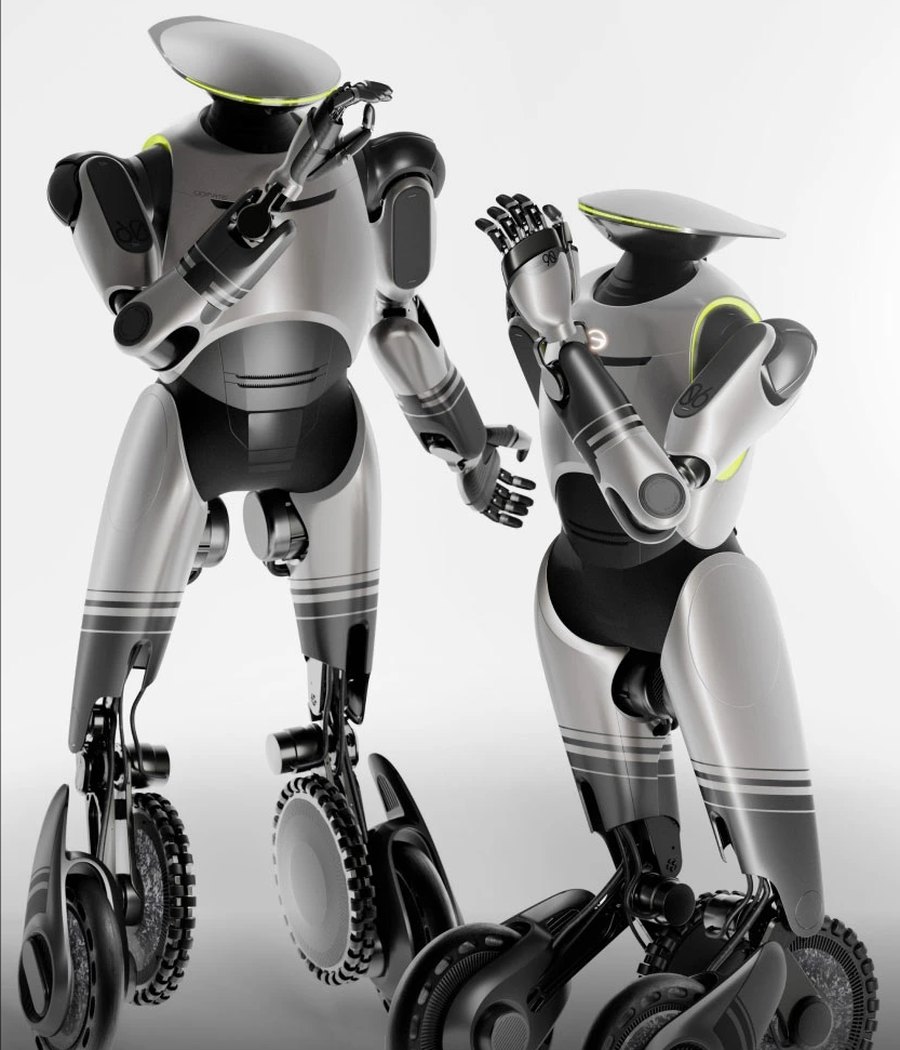
The wheel-foot structure changes the robot’s whole stance. Standing on four wheel-feet it settles low and stable; rising onto two it stands a quarter taller on a much smaller footprint.
Four-wheel foot, stable stance
1.4 m
Two-wheel foot, standing
1.75 m
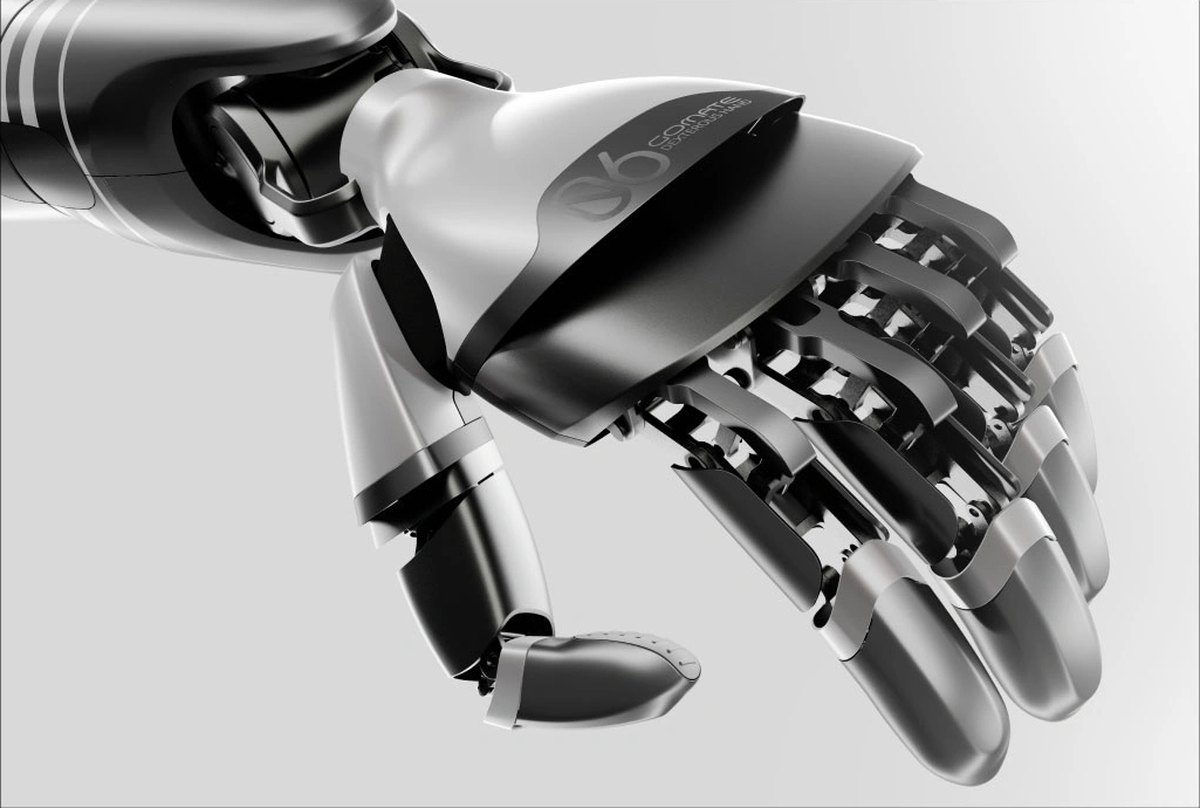
GoMate’s dexterous hands, drivers and motors are all developed in-house. The rigid-flexible dexterous hand is designed around ergonomics, balancing load capacity against real-world safety requirements such as collision.
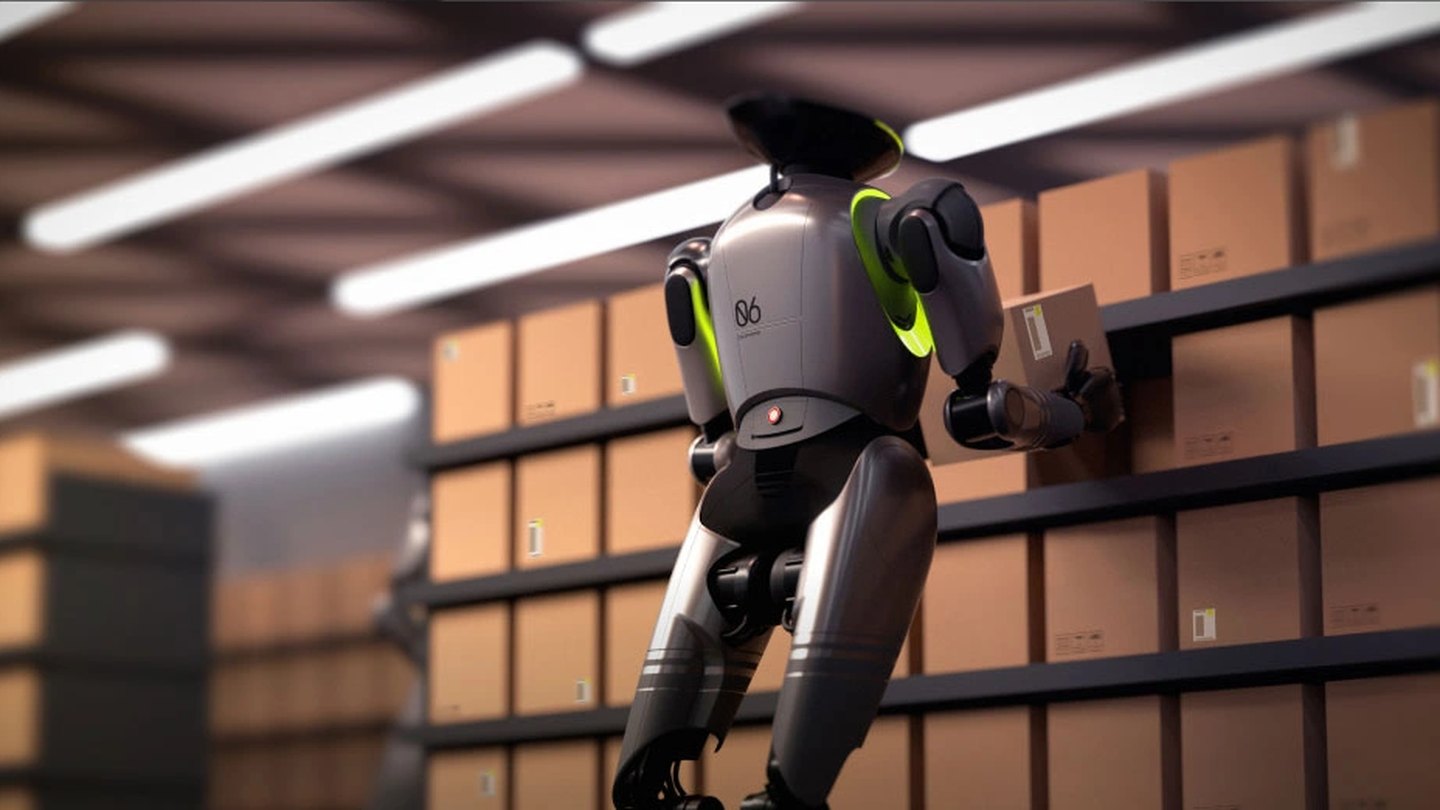
GoMate reproduces on-site perception in real time and captures changes in its surroundings. A self-developed full-body control algorithm drives all 38 degrees of freedom, and multimodal AI perception adds autonomous movement, target tracking and spoken command recognition. Control switches seamlessly between remote operation and AI autonomy.
A system platform architecture built to meet both high performance and low cost, which is what makes the robot competitive rather than only capable. An open-source large model is tuned and trained for specific application scenarios, so GoMate improves at recognition, understanding and decision-making as it is used.
Available now
AION UT and AION V carry the same engineering discipline into everyday driving.